

Prestige beauty has traditionally meant premium-priced products sold through selective channels, backed by brand heritage and aspirational positioning.
The category accounted for nearly half of the global beauty industry in 2024, with a combined retail value of $335.91 billion. U.S. prestige beauty retail alone grew 4% year over year, reaching $36 billion in 2025. Consumers are clearly still willing to spend.
Yet only 14% of U.S. beauty buyers believe that higher prices indicate a better-quality product.
The version of luxury built on golden packaging, aspirational pricing, and blind brand loyalty is losing ground. As Connor Spicer, consultant at Euromonitor International, put it at Cosmoprof 2025:
Consumers now expect prestige brands to demonstrate why they’re worth more. Results you can see, ingredients you can verify, and experiences that feel personally relevant.
What defines a prestige beauty brand today?
For decades, prestige was defined by price, packaging, and placement. A department store counter, a gold-embossed lid, a celebrity face in the campaign. That formula worked when consumers had fewer choices and less information.
Today, the markers of premium are moving toward three things.
➢ Precision over excess in prestige cosmetics
Among Americans who wear makeup, daily use has declined by 20 points since 2019. Nearly 49% of makeup wearers now prefer a minimal, light-makeup look. People haven’t stopped caring about beauty. They’ve become more selective about what they buy and how they use it.
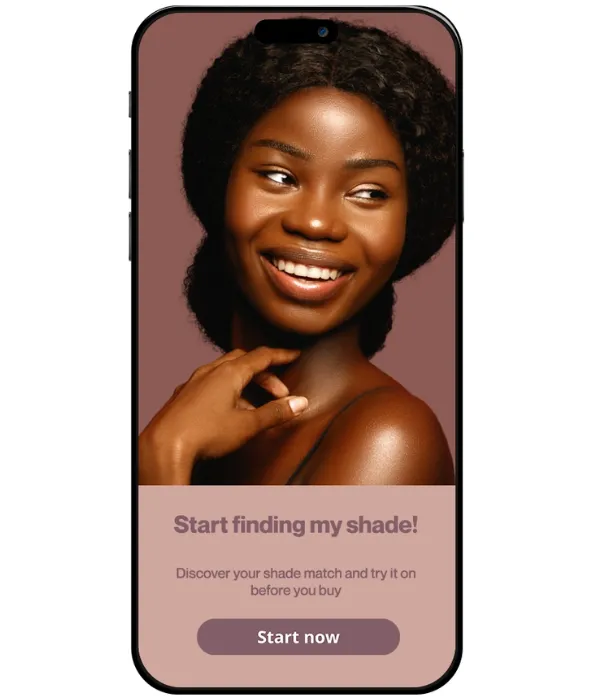
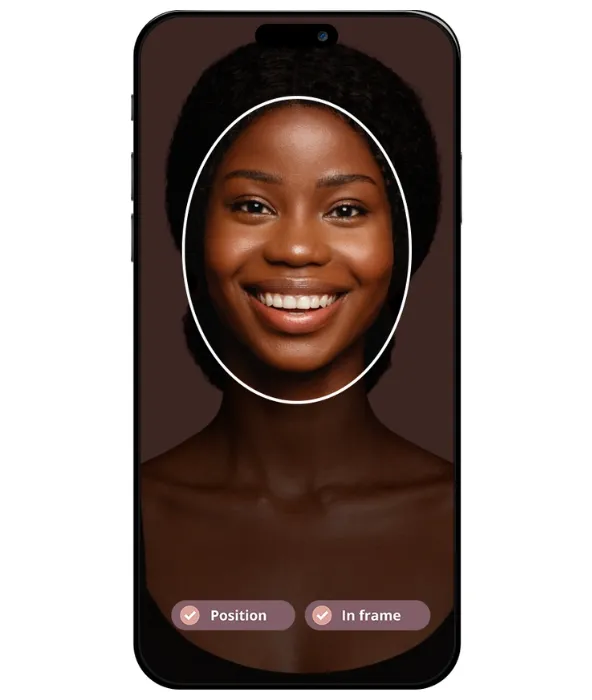
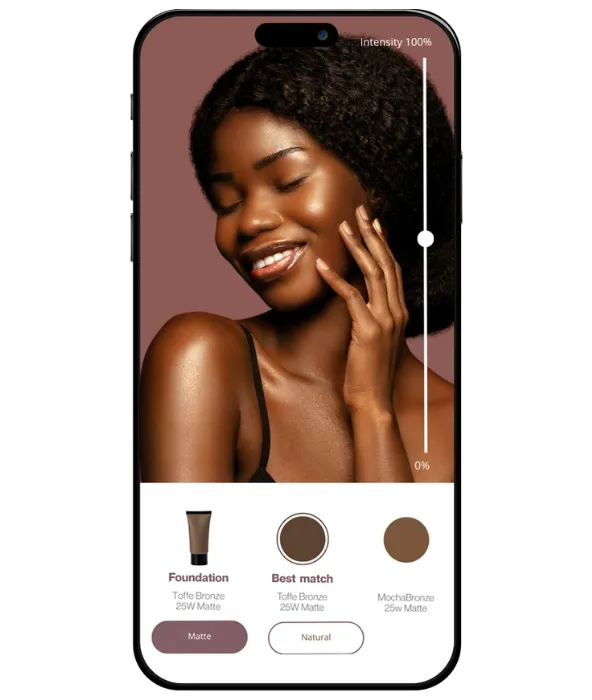
That selectivity raises the bar for brands. When someone only buys a handful of products, each one needs to be exactly right. The right shade, the right formula, the right fit for their specific skin. A foundation shade finder that nails the match in seconds delivers more perceived value than a counter full of testers ever could.
➢ Why transparency sells premium beauty
Prestige brands once relied on mystique. A carefully controlled image, limited information about formulations, and the implied promise that expensive meant effective. That approach worked when consumers couldn’t easily compare products or access independent reviews.
Now they can. And they do.
Consumers want to know what’s in the formula, how the product performs on real skin, and whether the brand can back its claims with data. This trend is accelerating across the cosmetics industry. When a brand can show you exactly how a product will look on your face before you buy it, the risk disappears. That’s how you justify a premium price point.
➢ Curated over cluttered
Industry analysts describe the current consumer mindset as “thoughtful consumerism”. Buyers research more, purchase less frequently, and hold every product to a higher standard before adding it to their routine. Each item needs to earn its place.
For prestige brands, fewer and better wins. A smaller, sharper assortment means deeper investment in each formula, better storytelling around each product, and less confusion at the point of purchase.
Why are consumers questioning premium beauty?
The old boundary between “drugstore” and “department store” beauty has dissolved. Mass and prestige are converging. Premium-priced brands are selling in mass retail. Value-priced prestige brands are outperforming their counterparts.
The categories that once felt like separate worlds now sit side by side, and consumers are choosing based on merit rather than shelf placement.
At the same time, beauty consumer trends show a generation of shoppers who research obsessively, compare across categories, and make informed decisions based on AI-powered recommendations rather than impulse. This move from impulse to intention is one of the most significant behavioral changes shaping brand strategy right now.
When your customer does more homework than your sales team, “trust our heritage” stops being a good enough answer. Prestige brands need to meet these buyers where they are, with evidence, not just storytelling.
How is personalization changing luxury beauty?
Personalization has become the mechanism that makes premium feel worth it. When a consumer receives a recommendation tailored to their exact skin tone, preferences, and concerns, the guesswork disappears. They buy with confidence, they keep what they buy, and they come back for more.
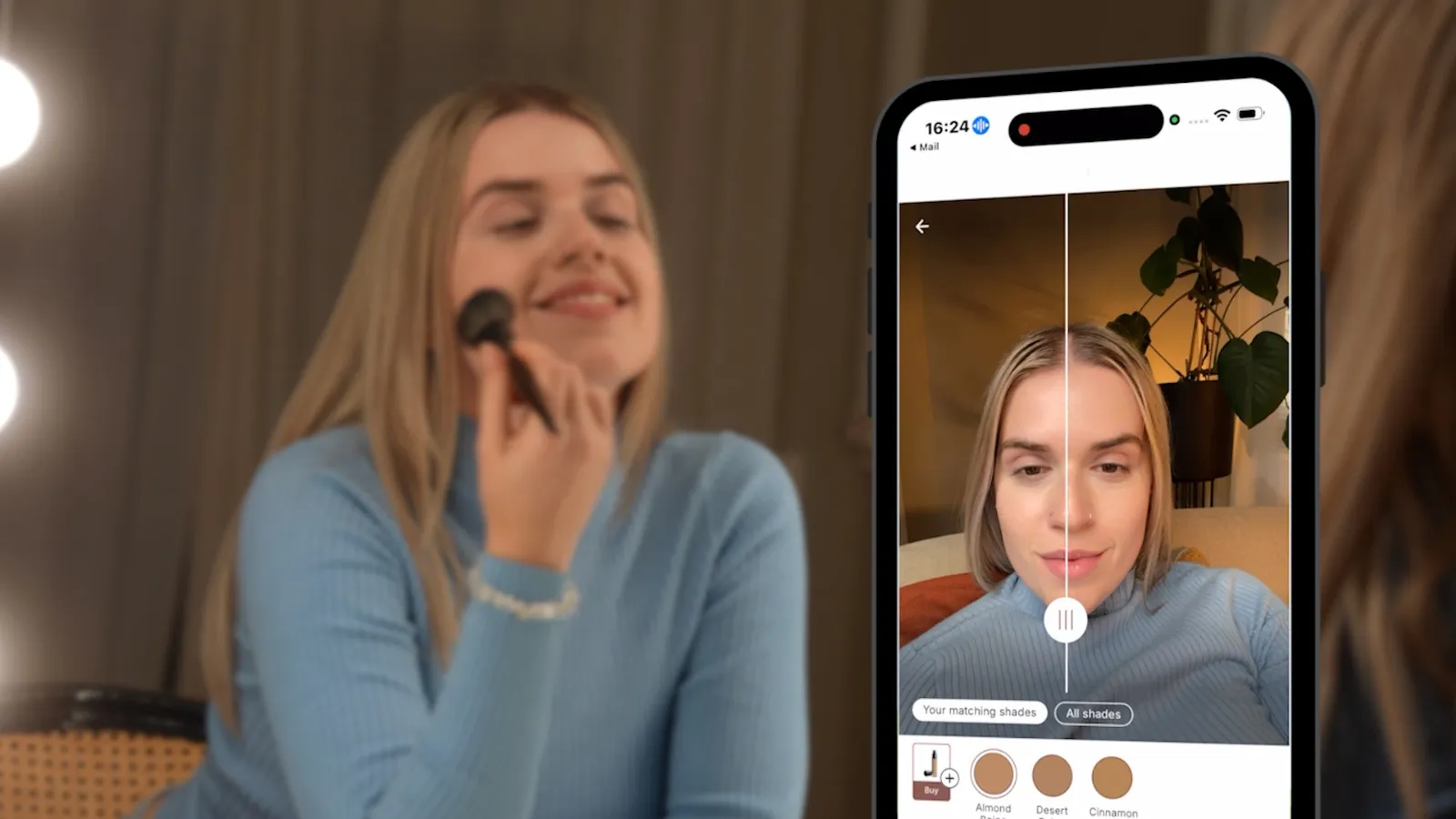
Brands implementing virtual try-on technology report that customers using these features are more than twice as likely to complete purchases. AR-driven experiences have boosted conversion rates by 40% for early adopters. Beauty brands utilizing AI skin analysis report an average 34% increase in cart value.
But the impact goes beyond conversion.
Personalization reduces waste, minimizes returns, and builds the kind of brand trust that drives long-term loyalty. When a customer finds their perfect shade through a guided virtual experience, they don’t just buy once. They come back. That repeat relationship, built on confidence rather than convenience, is what prestige brands have always aspired to create.
How beauty tech reinforces prestige brand value
Consumers don’t want to feel like they’re interacting with an algorithm. They want to feel understood. AI-powered shade matching, AR-enabled virtual try-on, and data-driven product discovery all perform best when the technology recedes and the result feels personal.
The demand for exactly this kind of experience is why the AI beauty personalization market is projected to reach $16.4 billion by 2036, up from $1.9 billion in 2025, with AR virtual try-on engines expected to hold 42% market share in 2026.
What used to require a one-on-one consultation can now extend across every customer interaction, online, in-store, or somewhere in between. The in-store experience doesn’t go away. It becomes the standard that every other touchpoint rises to meet.
What is the difference between prestige and mass beauty?
For a long time, the line was clear. Prestige was expensive. Mass was affordable. Distribution channels, packaging, and brand positioning reinforced the gap.
However, that gap is narrowing, and the generational shifts in beauty buying behavior explain why.
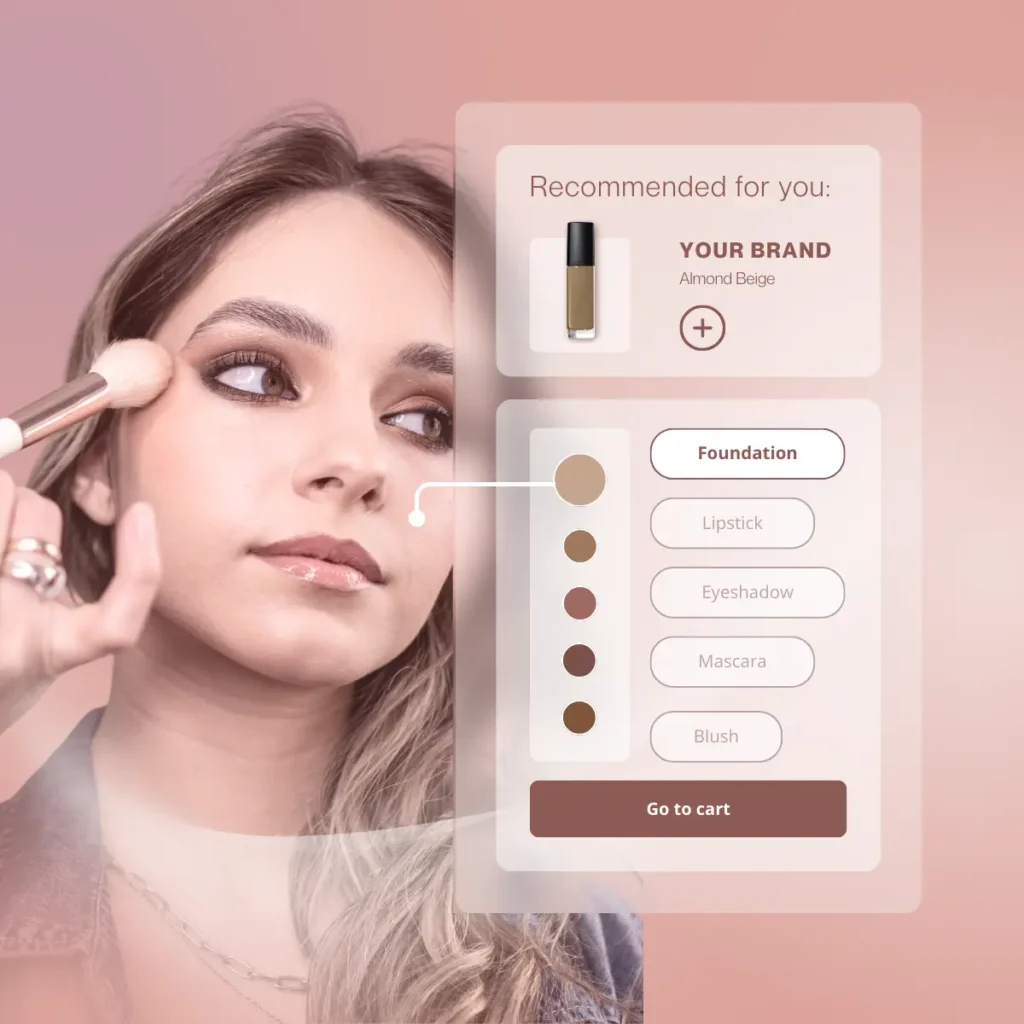
For prestige brands, the competitive moat has moved. Price and placement alone won’t hold it. The differentiator is the quality of the experience you deliver and the confidence you create in every purchase decision. AI and AR are what enable that experience at scale. And the data behind personalization proves that it directly drives revenue.
The future of prestige beauty
Premium beauty is being rebuilt around what consumers actually value. Precision. Transparency. Personalization. Proof.
Thriving in this environment means using technology as invisible infrastructure, making every product feel chosen rather than sold. It means trading overchoice for curation and replacing claims with evidence.
Prestige has always been about making people feel like they’re getting something special. That hasn’t changed. What counts as “special” has.
Ready to see how beauty AI and AR can reinforce your brand’s premium positioning? Explore Arbelle’s beauty tech solutions or contact us today!
Frequently asked questions
Frequently asked questions
1. What does prestige mean in beauty?
Prestige beauty traditionally referred to premium-priced products sold through selective retail channels, backed by brand heritage and aspirational positioning. Today, the definition is evolving. Consumers increasingly associate prestige with precision, transparency, and personalized experiences rather than price alone. A prestige beauty brand in 2026 earns its premium by delivering results consumers can see and verify before they buy.
2. Why are prestige beauty brands losing market share?
Prestige beauty brands are losing ground because consumers no longer equate higher prices with higher quality. Only 14% of U.S. beauty buyers believe a higher price tag means a better product. At the same time, mass and prestige categories are converging. Premium-priced brands are selling in mass retail, while value-priced alternatives deliver comparable performance. Brands that rely on heritage and packaging without offering proof, personalization, or transparency are the most vulnerable.
3. How does virtual try-on increase sales for beauty brands?
Virtual try-on technology allows consumers to see exactly how a product looks on their face before purchasing. This removes uncertainty, which is the biggest barrier to buying premium beauty products online.
Brands implementing AR-powered virtual try-on report that customers using these features are more than twice as likely to complete a purchase. AR-driven experiences have boosted conversion rates by 40% for early adopters, and AI skin analysis has driven an average 34% increase in cart value.
4. What is thoughtful consumerism in beauty?
Thoughtful consumerism describes a consumer mindset where buyers research more, purchase less frequently, and hold every product to a higher standard before adding it to their routine.
Instead of impulse buying or collecting products, consumers evaluate each item on its ingredients, performance, and personal relevance. For beauty brands, this means a smaller, sharper assortment that earns consumer trust outperforms a large catalog of undifferentiated launches.
5. How can prestige beauty brands compete with mass market?
Prestige beauty brands can compete by investing in the quality of the customer experience rather than relying on price and placement. Personalization through AI-powered shade matching, virtual try-on, and tailored product recommendations creates the kind of confidence that justifies paying more.
When a consumer receives a recommendation tailored to their exact skin tone and preferences, the value exchange becomes immediately clear. The brands building this level of precision into every touchpoint, online and in-store, are the ones maintaining their premium positioning.
6. What role does AI play in luxury beauty?
AI plays a growing role in luxury beauty by enabling personalized product recommendations, precise shade matching, and virtual try-on experiences at scale. The AI beauty personalization market is projected to grow from $1.9 billion in 2025 to $16.4 billion by 2036.
For prestige brands, AI allows them to deliver the attentiveness of a one-on-one consultation across every customer interaction. AR virtual try-on engines alone are expected to hold 42% market share in 2026, reflecting how central these tools have become to the premium beauty experience.
Contact us
Let’s talk strategy, growth, and how beauty AI fits into your success story.